
A Guide To Carrier Oils
When it comes to natural skincare and aromatherapy, essential oils tend to steal the spotlight- and for good reason. But behind every great essential oil is a quiet hero doing a lot of the heavy lifting: the carrier oil. If you are new to carrier oils or unsure how to benefit from them, keep reading! We’ll break down everything you need to know- from what they are, how they work, and how to choose the right one for your wellness ritual.
What Is a Carrier Oil?
A carrier oil is a plant-based oil used to dilute essential oils before they’re applied to the skin. Essential oils are incredibly potent and can cause irritation or sensitisation if used undiluted. Carrier oils help “carry“ the essential oil safely onto the skin- hence the name. But beyond just being a neutral base, carrier oils are powerful moisturisers rich in nutrients, fatty acids and antioxidants.
Carrier Oils vs Essential Oils
Carrier Oils Essential Oils
Distilled from aromatic plants or flowers Pressed from nuts, seeds or kernels
Thick, oily texture Light and aromatic
Used to dilute essential oils Used for scent and therapeutic benefits
Moisturising and nourishing Highly concentrated and potent
Why You Need Carrier Oils
Whether you’re creating a sleep blend, a massage oil, or a facial serum, carrier oils are essential for safe and effective use of essential oils.
Here’s what they do:
Protect your skin from irritation or burns caused by undiluted essential oils
Enhance absorption of essential oils into the skin
Moisturise and nourish with skin-loving vitamins and fatty acids
Create a sensorial ritual — their texture and weight help ground your experience
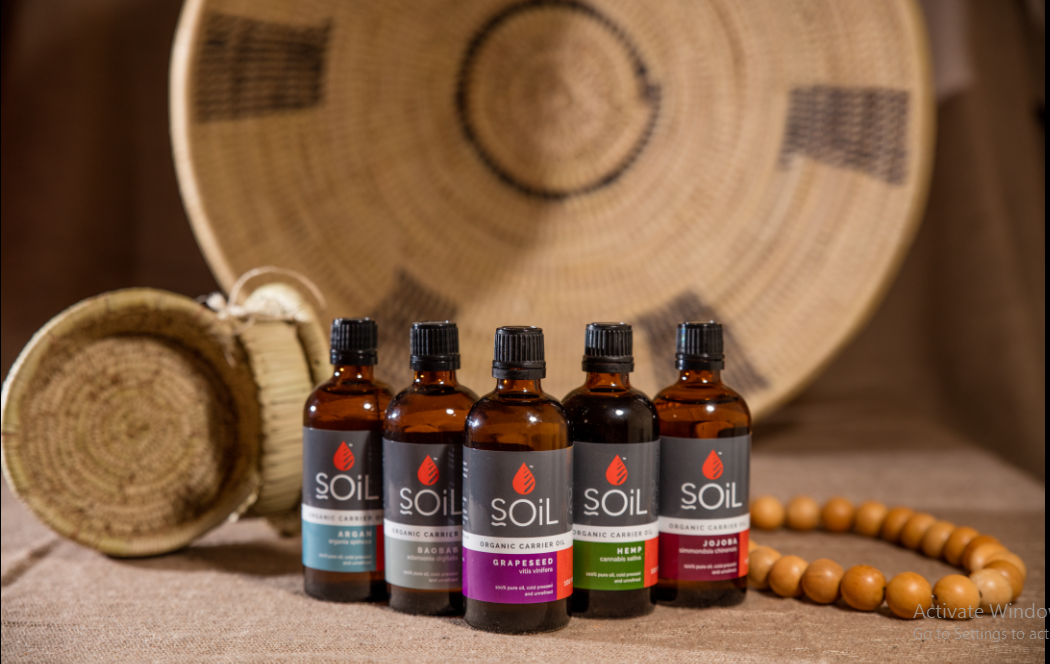
Popular Carrier Oils & Their Benefits
Texture: Lightweight, non-greasy
Best for: All skin types
Benefits: Closely mimics skin’s natural sebum, helps balance oil production
Texture: Medium, slightly dry oil
Best for: Mature, scarred, or sun-damaged skin
Benefits: High in Vitamin A (natural retinol), supports skin regeneration
Texture: Lightweight, fast-absorbing
Best for: All skin types, especially oily or acne-prone skin
Benefits: Rich in vitamin E and absorbs into the skin quickly
Texture: Rich and thick
Best for: Extremely dry, sensitive or mature skin
Benefits: Deeply moisturising, rich in oleic acid and vitamins A, D, E
How to Safely Dilute Essential Oils for Topical Use
Our easy-to-follow chart will guide you in properly diluting essential oils for safe and effective topical application. Whether you're just starting out with aromatherapy or you're an experienced user, this guide provides clear and straightforward recommendations to help you blend with confidence.
While essential oils get all the attention for their beautiful scents and therapeutic powers, carrier oils are the foundation of any safe, effective ritual. They’re nourishing, gentle, and rich in nutrients your skin will love — and they make it possible to use essential oils without irritation or overwhelm.
So the next time you reach for your favourite lavender or frankincense, don’t forget its quiet partner: the carrier oil! Because in the world of holistic self-care, it's the combination of plant wisdom that creates the magic.
Please note that All SOiL essential oils are intended for external use only. Unless otherwise advised by a medical practitioner. Do not use undiluted on skin. Do not apply to broken or irritated skin. If sensitivity occurs discontinue use. If you are pregnant, breastfeeding, taking any medications or under medical supervision seek professional advice before use. Please keep out of reach of children.
SOiL advocates the responsible use of essential oils. We grow and source the finest quality essential oils from around the world to supply you with pure, potent plant extracts for aromatic and therapeutic applications. Essential oils are many times stronger than the plants they are derived from and are far more concentrated than the herbal tincture extracted from the same plant.
Accordingly, we recommend that you avoid oral use/ingesting pure essential oils without seeking professional advice beforehand. The issue is not the quality of the essential oils you take orally – there is no such thing as a ‘therapeutic grade’ of essential oil nor is one brand of essential oils safe to ingest over another brand. The issue is safety and even though essential oils are 100% natural, plant-derived extracts, they are botanical medicines which have the potential to cause harmful side effects when taken orally. Essential oils should only be prescribed for oral use in a clinical setting, by a suitably qualified practitioner.
There are many methods of obtaining the aromatic and therapeutic benefits of essential oils, namely; inhalation, massage, skincare preparations, bath and compress. If you require individual advice on oral use/ingestion or in relation to a specific medical condition, we recommend you consult a qualified practitioner, as described above.